← Our guidesCity guide · Mauritius
Mauritius, between lagoons and volcanoes
Our guide to Mauritius: Flic en Flac and its sunset, Île aux Cerfs and the eastern lagoons, Chamarel and the southern waterfalls, Grand Baie and the northern beaches: hours, prices and the best addresses.
Mauritius reveals itself region by region, each with its own character.
Lagoons in the east, colorful waterfalls in the south, lively beaches in the north: the island is explored in a loop, between beach, mountain, and extinct volcano.
01
The West — Flic en Flac and its sunset
Flic en Flac beach
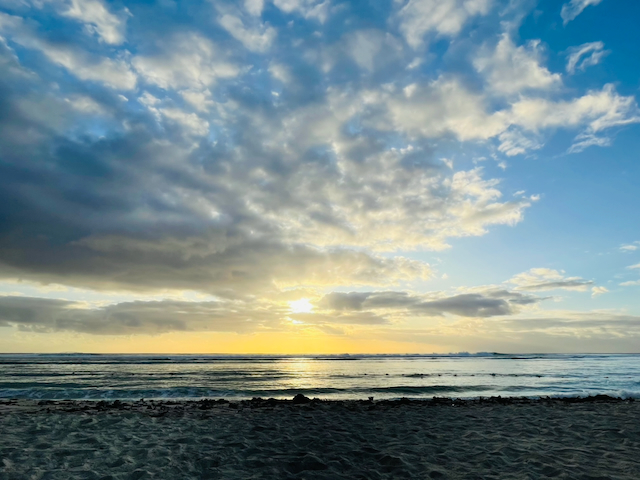
The island's best sunset
Flic en Flac beach
On the west coast, Flic en Flac is known for its sunsets, worth seeing at least once during your stay. A few things to note though: dead coral makes walking uncomfortable (water shoes are a good idea), and swimming isn't always easy here. As for crowds, the beach is also quieter on weekdays than on weekends.
- Sunset spot
- Water shoes recommended
- Avoid weekends
Mauritius isn't one island, but several: each coast has its own mood.
Already have your travel dates?
Tell us when, we'll tell you where.
That's the Les Voyagistes principle: tell us your dates, and we'll reveal the destinations that are in perfect season.
Find my destinations →02
The East — lagoons and islets
Île aux Cerfs · Belle Mare
The east coast holds the island's most beautiful lagoons, between a day trip to an islet and plenty of activities around your hotel.
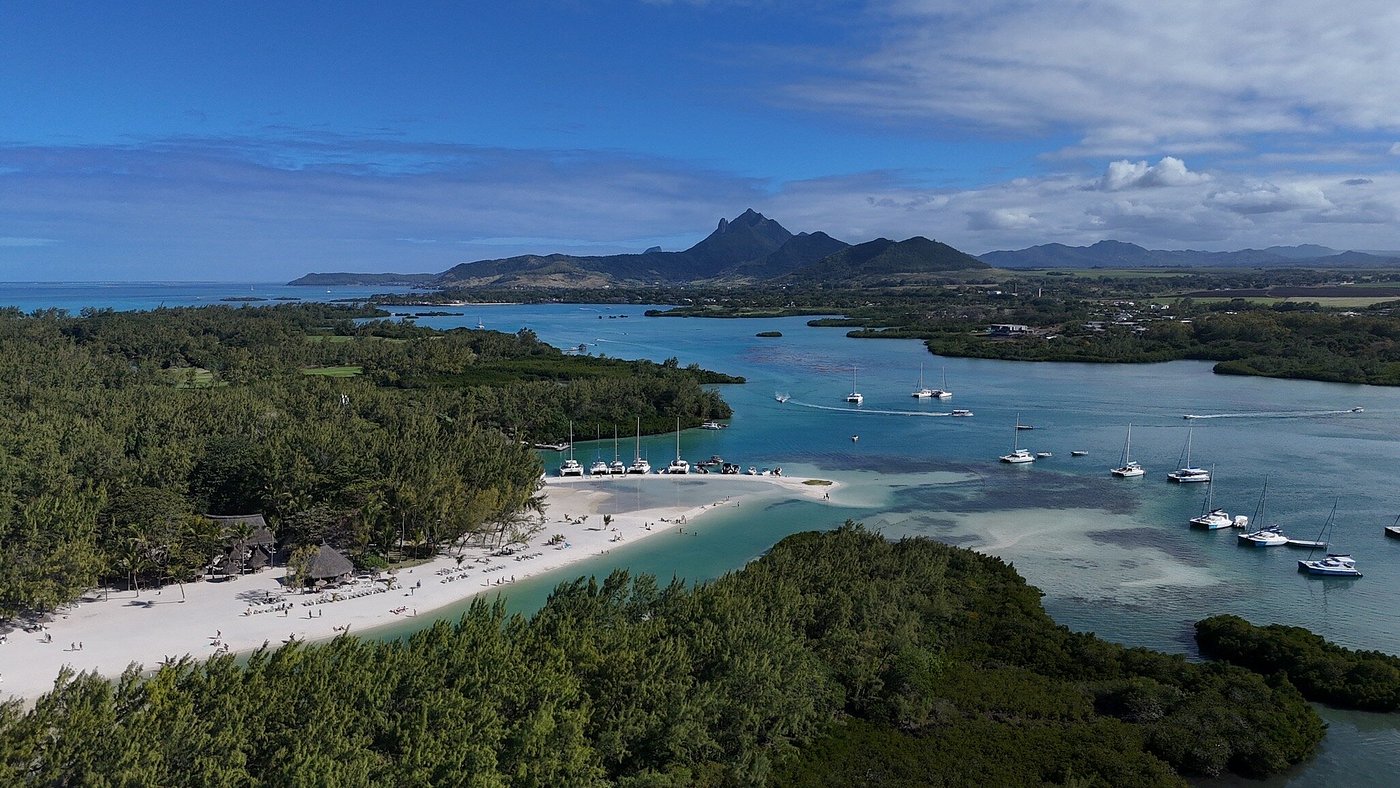
Mauritius's best-known islet
Île aux Cerfs
A classic east-coast excursion, Île aux Cerfs is reached by boat, about an hour from Grand Gaube. White sand beaches, turquoise water, and activities make it an essential day trip, best booked on a weekday to avoid the crowds.
- Day excursion
- 1hr from Grand Gaube
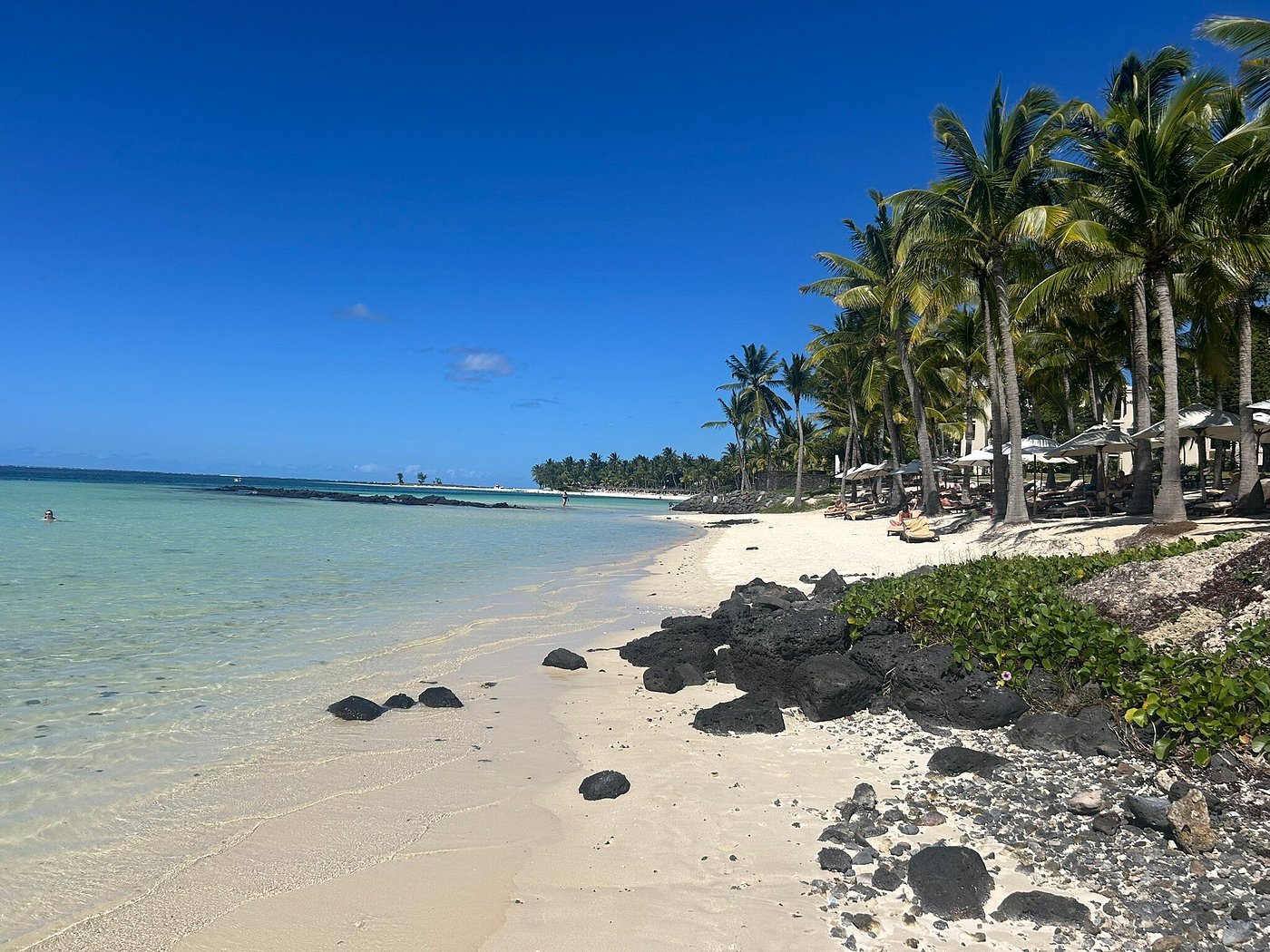
The east coast's most photogenic lagoon
Belle Mare beach & Grand River South East
Belle Mare boasts one of the east coast's finest beaches, lined with hotels and a calm lagoon perfect for swimming. Also not to be missed nearby: the Grand River South East waterfalls, reachable by boat excursion, where the river plunges straight into the ocean.
- Belle Mare beach
- Grand River South East waterfalls
03
The South & Southeast — nature and color
Chamarel · Le Morne · Tamarin
The island's densest region: nature parks, waterfalls, plantations and hikes, all the way to the UNESCO-listed Le Morne peninsula.
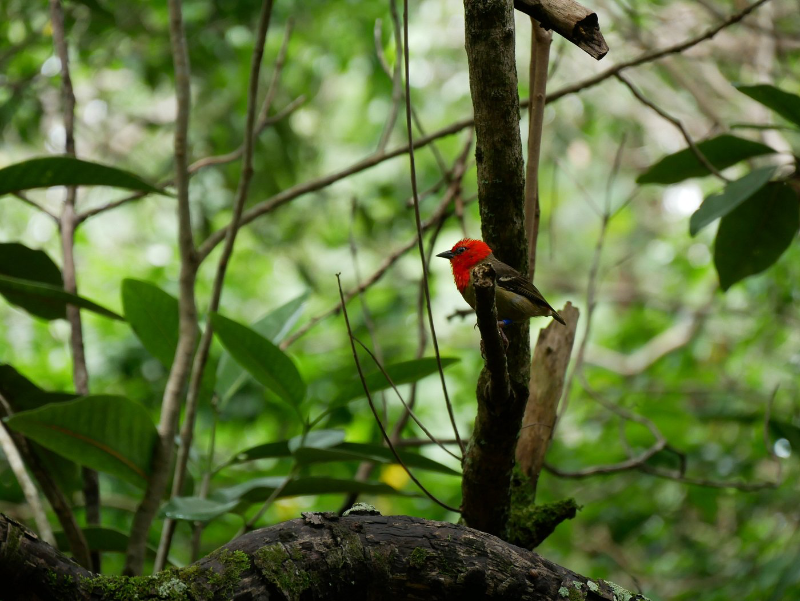
Snorkeling & nature reserve
Blue Bay, Pointe d'Esny & Île aux Aigrettes
Blue Bay Marine Park protects one of the island's finest coral reefs, perfect for snorkeling. Right nearby, Pointe d'Esny, near Mahébourg, is a beautiful, less touristy beach that's also great for viewing marine life. Just off the coast, Île aux Aigrettes is home to a nature reserve where the island's endemic wildlife is being reintroduced. Nearby, the Pont Naturel (a rock arch carved by the ocean) is worth the detour.
- Snorkeling
- Nature reserve
- Natural rock arch
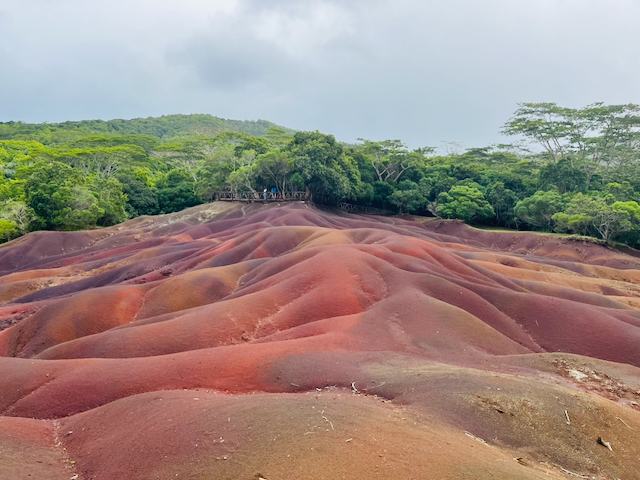
The South's essential trio
Chamarel: waterfall, Seven Coloured Earths & rum distillery
The village of Chamarel brings together three classics of the South: Chamarel Waterfall, the island's highest; the Seven Coloured Earths, a geological formation of multicolored dunes (budget around €10 for entry); and the Chamarel rum distillery, on the Royal Road, for a tasting of local rums.
- Chamarel waterfall
- Seven Coloured Earths
- Chamarel rum distillery
The island's tropical forest
Black River Gorges & Ebony Forest
Black River Gorges National Park offers hikes and viewpoints over Mauritius's tropical forest. Nearby, the Ebony Forest Reserve and the Valley of Colours combine a zipline, natural pools (Bassin Blanc, Bassin aux Anguilles), and local wildlife (a good option for an active day out in Chamouny).
- Hiking
- Bassin Blanc & Bassin aux Anguilles
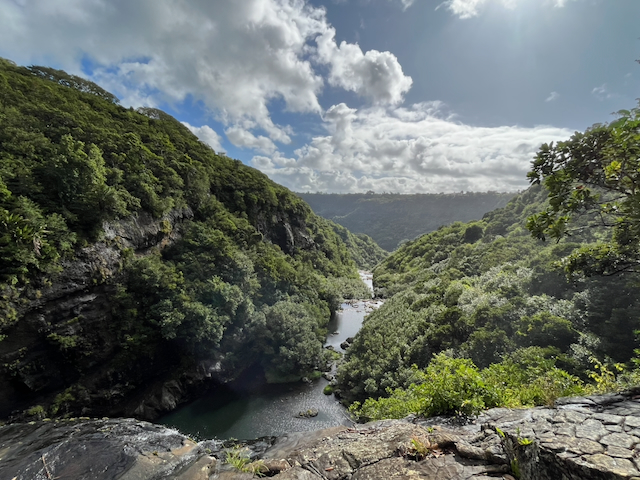
Waterfalls, dolphins & thrills
Tamarin: 7 Waterfalls, dolphins & Tamarin Falls
The 7 Waterfalls hike is done with a guide (through operators like Radjaventure or Jay7Cascades) to explore this string of natural pools. Tamarin Bay is the starting point for morning dolphin-watching excursions, while Tamarin Falls rounds off the visit to the area.
- The 7 Waterfalls (guide required)
- Dolphin excursion, Tamarin Bay
- Tamarin Falls
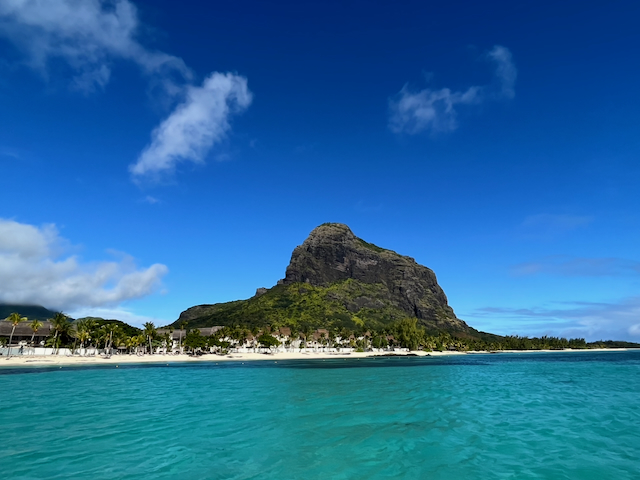
UNESCO-listed peninsula
Le Morne: beach & memory
Le Morne peninsula combines one of the island's most beautiful beaches with a mountain steeped in history: listed on UNESCO's International Slave Route, it recalls the refuge that runaway slaves once found here.
- Le Morne beach
- International Slave Route
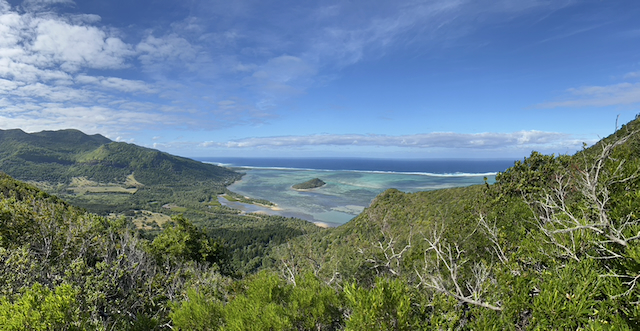
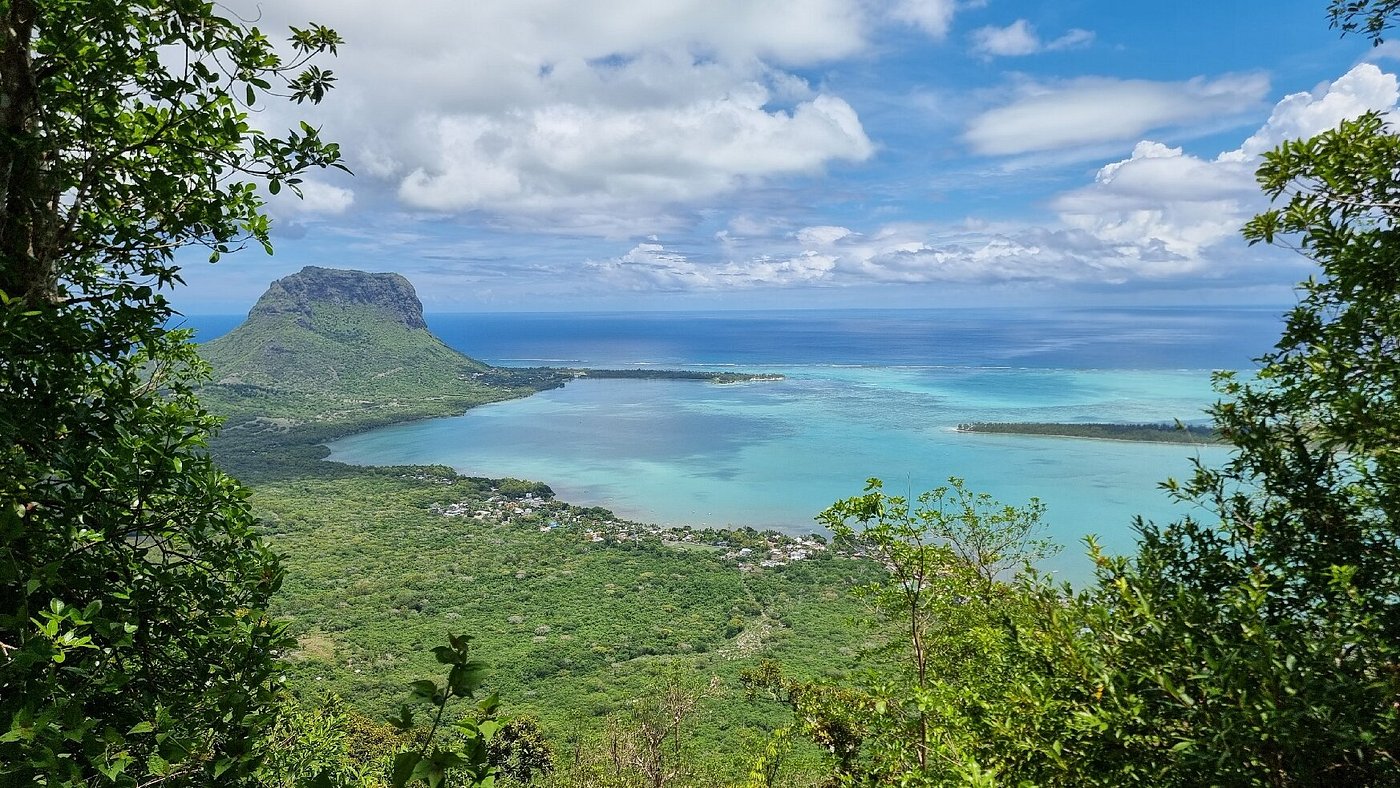
A 360° panorama over the lagoon
Le Morne Mountain Trail
The hike climbs through dense vegetation to a spectacular viewpoint over the turquoise lagoon and the whole southwest coast. The trail gets steeper and more technical toward the end, so it's best to set off early and wear good shoes (some prefer a guide for the final stretch).
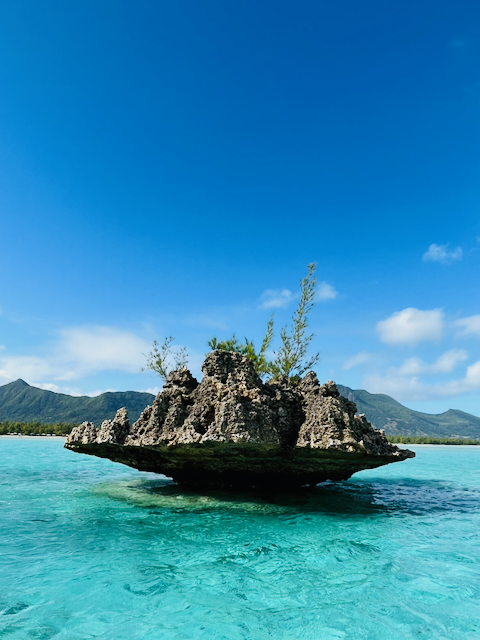
An islet carved by the ocean
Crystal Rock
Crystal Rock is a small rocky islet set in the middle of a brilliant blue lagoon, shaped over time by marine erosion. It's reached by boat excursion from Le Morne, usually combined with a snorkeling session on the surrounding reef (one of the most photogenic spots on the southwest coast).
Also worth seeing
- Alexandra Falls
- The Black River Gorges viewpoint
- Maconde Viewpoint
- Bel Ombre
- Trou aux Cerfs (crater lake)
A map, addresses, your pace
We'll prepare your itinerary, tailored just for you.
Excursions, beaches, waterfalls, and great addresses: tell us what you like, and we'll put the trip together.
Plan my trip →04
The North — beaches and lively nights
Grand Baie · Cap Malheureux
The island's most touristy region, between family-friendly beaches, nightlife in Grand Baie, and excursion departures to the north.
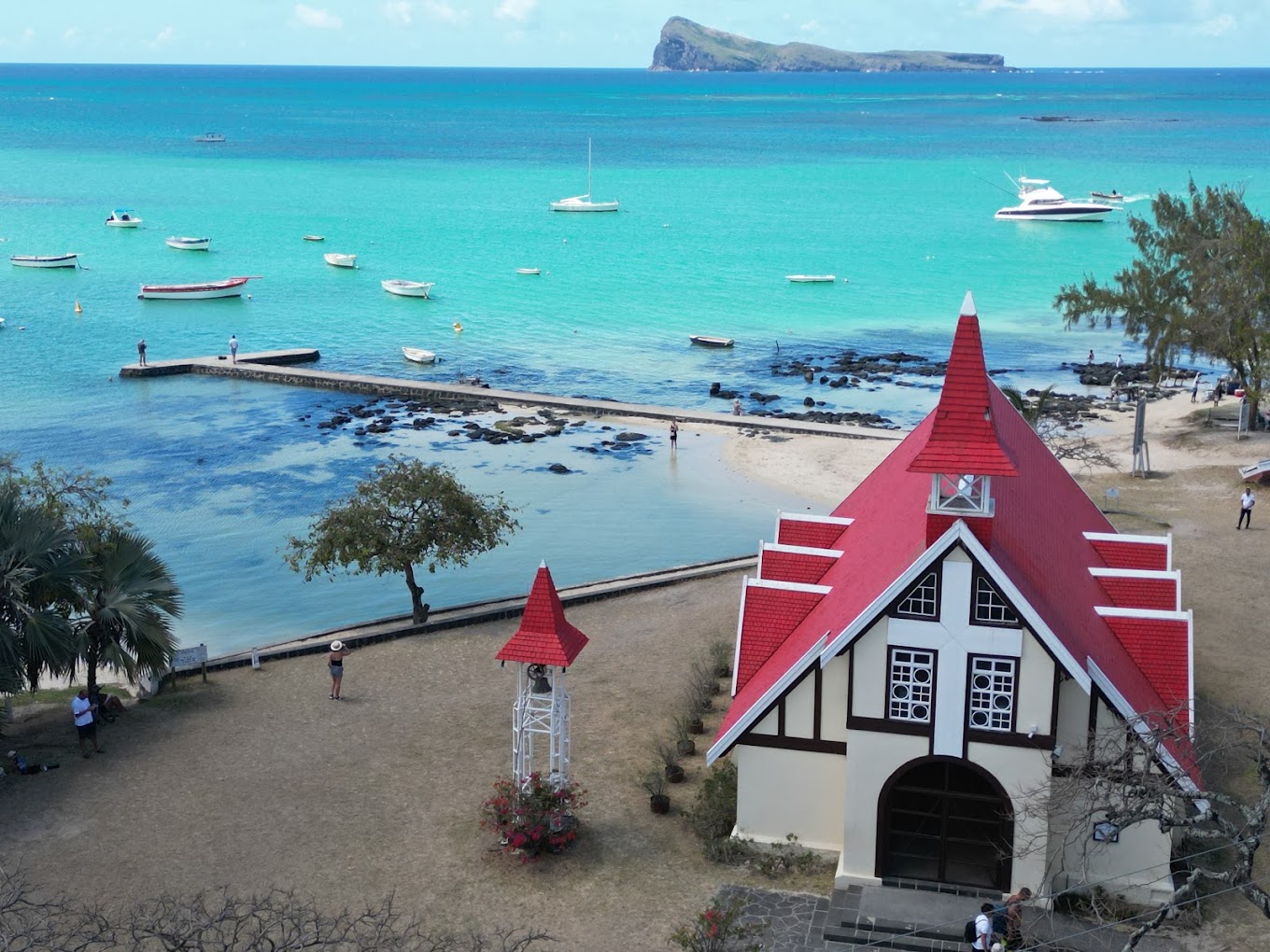
The iconic little church
Cap Malheureux & Île Plate
At the very tip of the island's north, Cap Malheureux is known for its little red-roofed church, one of the most photographed images of Mauritius. It's also the starting point for excursions to Île Plate, for a day of snorkeling away from the coast.
- Cap Malheureux church
- Île Plate excursion departure
The lively heart of the North
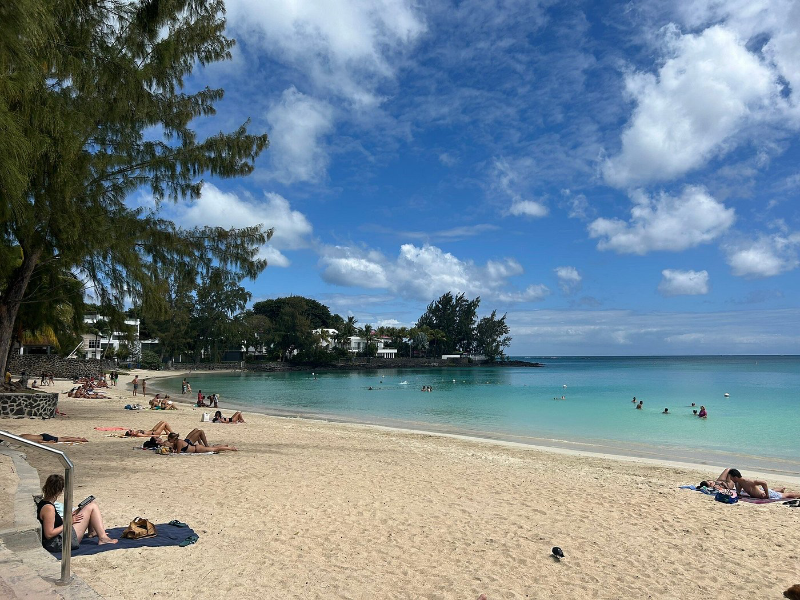
Grand Baie & Pereybère
Grand Baie is the island's liveliest seaside resort town, with restaurants, shops, and boat trips. It's also home to the Surya Oudaya Sangam Tamil temple. Just nearby, Pereybère beach offers a more family-friendly atmosphere and calm water, protected by the lagoon.
- Pereybère beach
- Surya Oudaya Sangam Tamil temple
The North's family-friendly lagoon
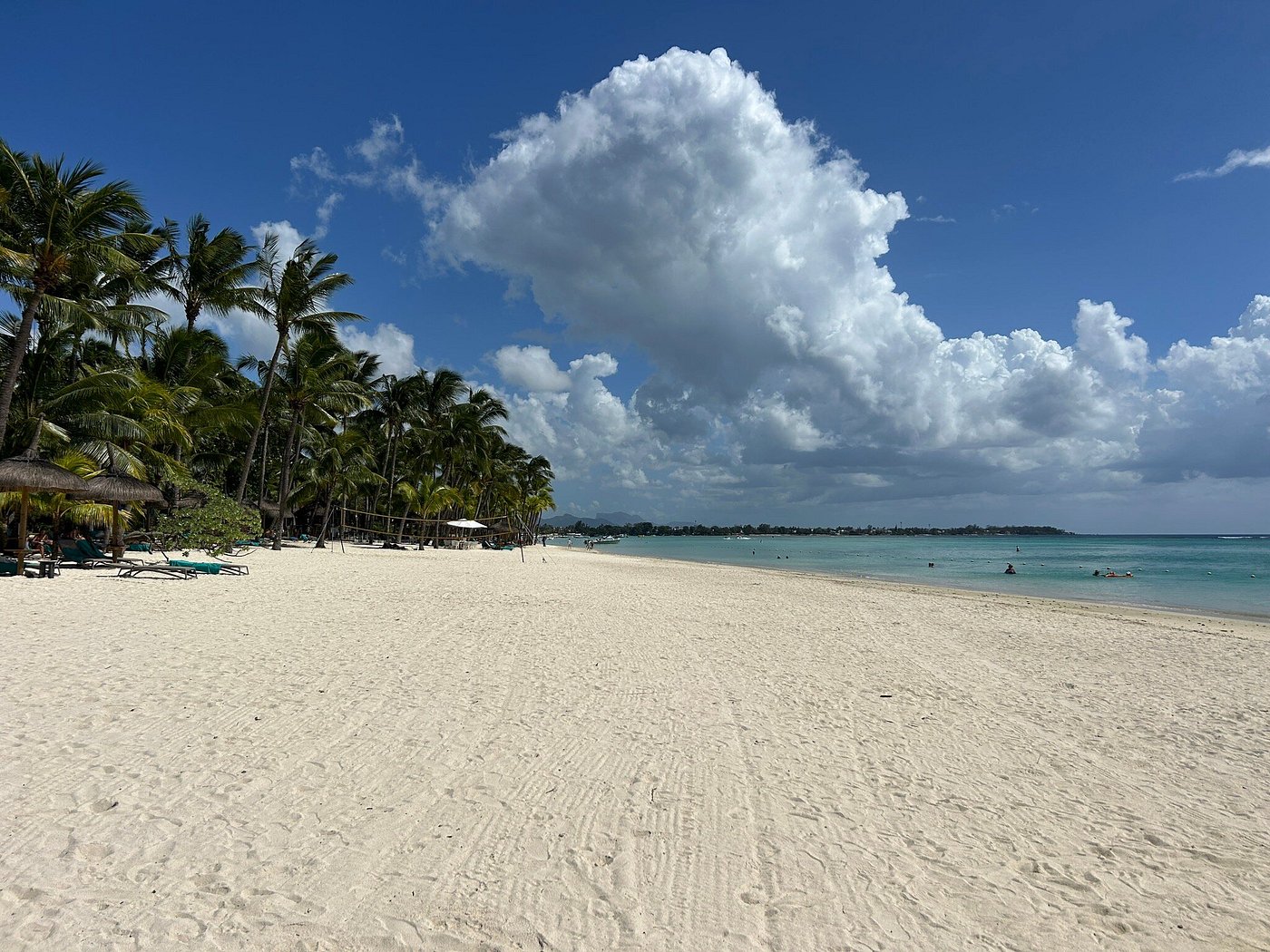
Trou aux Biches beach
Trou aux Biches unfurls one of the island's most beautiful public beaches, protected by a shallow, especially calm lagoon (a real plus for family swimming or snorkeling close to shore). The fine sand and the casuarina trees lining the beach also make it a good spot for an evening stroll.
- Family swimming
- Snorkeling close to shore
Other beaches in the North
- Mon Choisy beach: one of the island's largest public beaches.
- Pointe aux Piments beach: quieter, lined with hotels.
The historic botanical garden
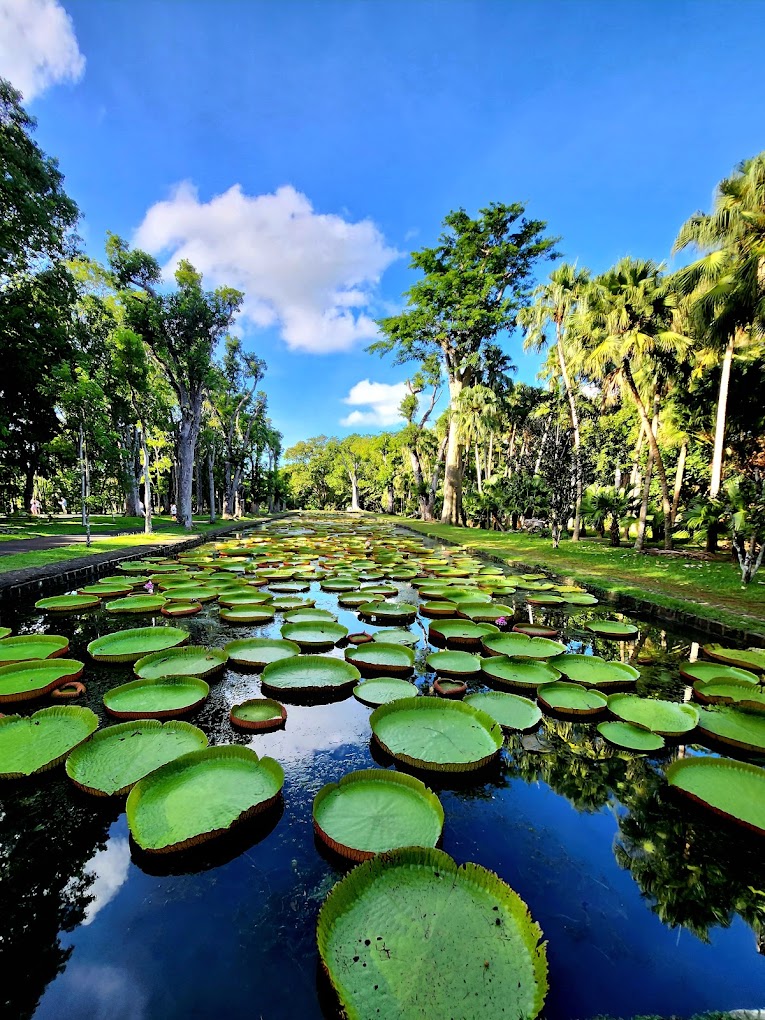
Pamplemousses Botanical Garden (SSR Botanic Garden)
The Sir Seewoosagur Ramgoolam Botanic Garden, better known as the Pamplemousses Botanical Garden, is one of the oldest botanical gardens in the Southern Hemisphere. Its giant water lily ponds and tree-lined grounds, on the Royal Road, are well worth a shaded visit.
Between lagoon and volcano, Mauritius is crossed in one loop, never quite the same twice.